
May Tanner, Part of the Windrush Generation, Rose to Senior Leadership as the Bristol Royal Infirmary’s First Black Ward Sister After Two Decades of Service
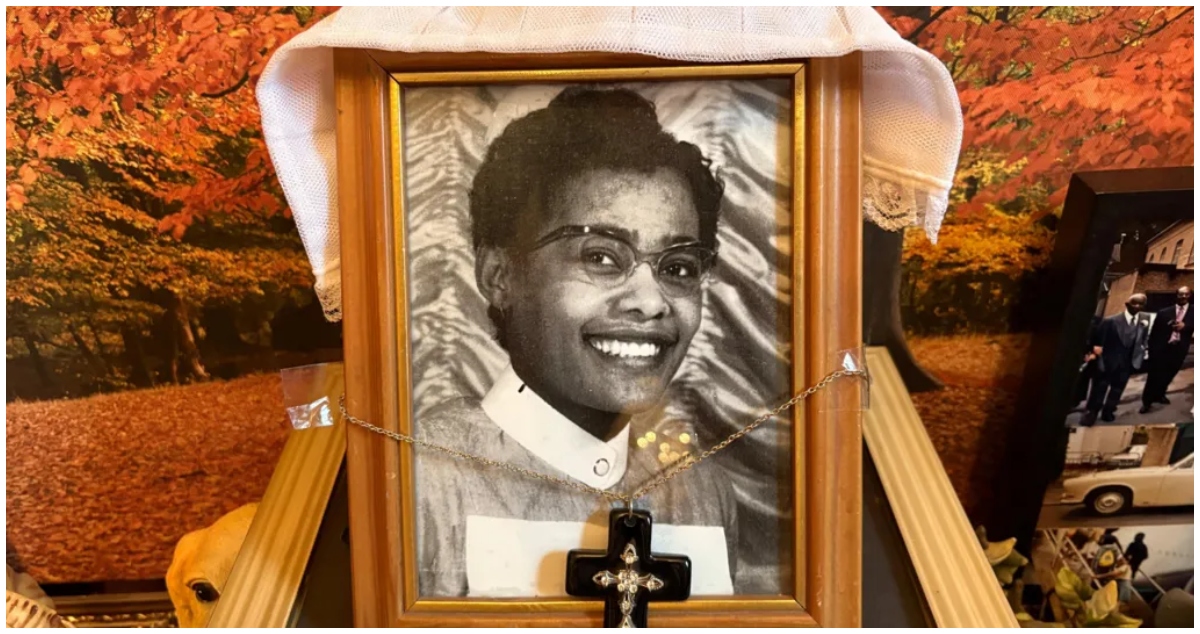
The Bristol Royal Infirmary (BRI) has lost a pioneering nurse. May Tanner passed away in January at age 93. Her career there spanned an impressive twenty years. More importantly, she broke a significant barrier. Tanner made history as the hospital’s first Black ward sister. She achieved this senior leadership role during a challenging era.
She arrived in the UK from Jamaica in 1956. She was part of the iconic Windrush generation. Her journey from new immigrant to senior nurse was remarkable. Her husband of 65 years, Michael Tanner, remembers her dedication. He said she reached the top alongside hospital professors. “That’s very, very unusual for a black woman at that time,” he noted.
A Windrush Pioneer’s Journey to Britain
May Tanner’s story begins with a courageous journey. She left Jamaica for Britain as a young woman. Her mother bought the ticket and put her on the boat. Tanner was one of four children who “came over on the boat with nobody.” This was a common experience for Windrush arrivals. They sought new opportunities in the UK’s post-war reconstruction.
She arrived during a period ofprofound social change. Britain needed workers, and many Caribbean people answered the call. However, they often faced a cold reception and widespread prejudice. Tanner’s personal life also encountered racism. She met her future husband, Michael, at his sister’s house. Some of his family disapproved of their relationship. He described this early period as “tough on both sides.”
Overcoming Prejudice in Nursing Leadership
Tanner’s nursing career was her true calling. She joined the Bristol Royal Infirmary and dedicated herself to patient care. Her path to promotion was not easy. She confronted direct racism from the people she was helping. Patients sometimes refused her care. “She had patients say, ‘I don’t want a black woman touching me’,” Michael Tanner recalled.
Despite these hostilities, her professionalism never wavered. She consistently went the extra mile for her patients. If a task needed finishing, she stayed past her shift. Her husband described her unique character. “She wasn’t spiteful, she was a different human being,” he said. Her resilience and skill ultimately earned her the respected ward sister position. This made her a visible leader in Bristol’s medical community.
A Legacy of Dedication and Breaking Barriers
May Tanner’s twenty-year service left a deep legacy. She proved that excellence and compassion transcend prejudice. Her role was more than a job title. It was a symbol of possibility for other Black healthcare workers. She paved the way in a system not designed for her success. Her story is a vital part of Bristol’s and the NHS’s history.
Her family remembers her with immense pride. A private funeral was held to celebrate her life. Michael Tanner’s words resonate as a fitting tribute. “I’m very, very proud of that lady,” he said. May Tanner’s journey from a Windrush passenger to a senior NHS leader remains inspiring. It is a testament to her strength, skill, and unwavering commitment to care.

